






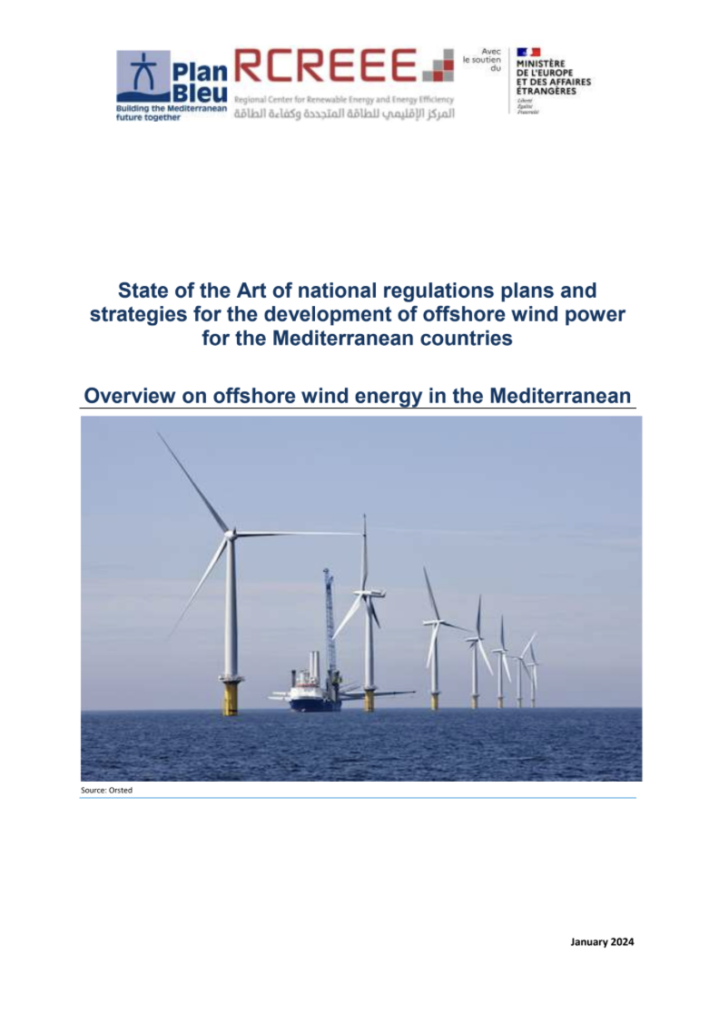
Offshore renewable energy presents a host of advantages over both non-renewable energy sources and onshore renewable energy projects. In comparison to onshore renewables, offshore projects occupy less land, minimize visual impact on local populations, and eliminate concerns about noise pollution. Additionally, they obviate the need for new long-distance transmission lines as they can be strategically located near load centers. Moreover, offshore wind farms have the capacity to generate more power as the turbines can be larger, capitalizing on the faster and stronger wind at sea to collect more energy. In contrast to non-renewable energy production, offshore renewables exhibit a comparatively minimal impact on ocean ecosystems, relying on abundant natural resources that will never be depleted, in stark contrast to finite fossil fuels. The economic advantages are evident as well, with offshore renewable energy delivering cheaper, more cost-effective power production compared to fossil fuels, thereby reducing electricity bills. Furthermore, these offshore projects contribute significantly to the green transition by providing a sustainable and environmentally friendly alternative, aiding in the reduction of carbon emissions, the pursuit of net-zero targets, and the overall mitigation of climate change.
To complete this report, you can read more on National regulations, plans & strategies for the development of offshore wind energy in the Mediterranean basinn, a note published by Plan Bleu.