
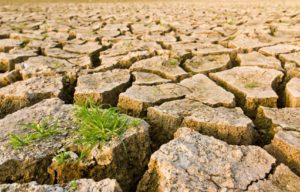



The Mediterranean area is particularly affected by adverse consequences of climate variability and change, coupled with existing socio-economic processes associated with growing bio-geographical vulnerability and exposure in the coastal areas of the region. As a result, Mediterranean coastal communities, ecosystems and assets are increasingly at risk.
The Global Environment Facility’s “Mediterranean Sea Programme (MedProgramme): Enhancing Environmental Security” (2019-2024) is GEF’s first programmatic multi-focal area initiative in the Mediterranean Sea. It aims to operationalise priority actions to reduce major transboundary environmental stresses in the Mediterranean’s coastal areas, while strengthening climate resilience and water security and improving the health and livelihoods of coastal populations. The MedProgramme is currently being implemented in nine beneficiary countries: Albania, Algeria, Bosnia and Herzegovina, Egypt, Lebanon, Libya, Montenegro, Morocco and Tunisia.
Its Child Projects cut across four different GEF Focal Areas (International Waters [IW], [EI]Biodiversity [BD], [BD]Chemicals and Waste [CW], [PCD]and Climate Change [CC]) [CC]and involve a wide spectrum of developmental and societal sectors, ranging from banking institutions, the private sector, governmental and non-governmental bodies, industry, research, media, and various other organisations.
In this context, the Special Climate Change Fund (SCCF) Project “Enhancing regional climate change adaptation in the Mediterranean Marine and Coastal Areas” contributes to MedProgramme Component II). As the latter’s only project devoted specifically to climate change adaptation, the SCCF seeks to build the capacity of people and institutions to adapt to the impacts of climate change in coastal areas, which are especially vulnerable to these impacts. Technical assistance in this project focuses on mainstreaming climate change adaptation strategies into coastal plans and facilitating access to climate financing to scale up adaptation measures in the region.
This report was produced by Mediterranean Sea and Coast FoundationMEDSEAin January 2022 in relation to the consultancy contract “Gender-sensitive Climate Risk Assessment of TTA, Morocco” in the framework of the MedProgramme SCCF (Special Climate Change Fund) Project: MedProgramme Enhancing regional climate change adaptation in the Mediterranean Marine and Coastal Areas, which Plan Bleu is contributing to in collaboration with other Executing Partners (PAP/RAC and GWP-Med).SCP/RAC GWP-Med).