



ABOUT PLAN BLEU
In 1976, Mediterranean countries and the European Community adopted the Barcelona Convention to protect the marine and coastal environment, placing sustainability at the heart of regional cooperation. Established by France in 1977, Plan Bleu is a Regional Activity Centre of UNEP’s Mediterranean Action Plan. Its biennial programme is approved by the Contracting Parties and reflects shared priorities for the region’s sustainable future. Plan Bleu’s mission is to produce forward-looking studies, scenarios and policy recommendations that inform Mediterranean decision-makers on key environment and development challenges. Its work supports the region’s transition to sustainability, in line with global and regional frameworks such as the SDGs, the Mediterranean Strategy for Sustainable Development, OECD guidance and the European Union’s taxonomy for sustainable activities.
In recent years, Plan Bleu has launched a series of Calls for Papers to stimulate rigorous analysis and innovative policy thinking on the most pressing sustainability issues facing the Mediterranean. This new Call focuses on one of the Mediterranean’s most critical resource constraints: water. It aims to assess the region’s water-related investment gap and to identify the institutional, regulatory, financial and political barriers that prevent adequate financing of water infrastructure, management and conservation.
The Call is closely linked to the Euro-Mediterranean Water Forum, to be held in Rome from 29 September to 2 October 2026. Authors of selected papers will be invited to present their draft findings at the Forum, allowing research to directly inform high-level policy dialogue and benefit from expert feedback. Finalised papers will then be published in Plan Bleu’s research series, contributing to concrete solutions for Mediterranean water security.
INTRODUCTION
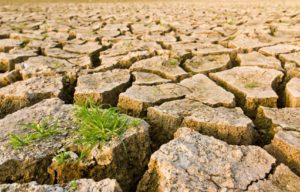
Water scarcity is intensifying across the Mediterranean as climate change, population growth, unsustainable use and aging infrastructure combine to strain already limited resources. Declining rainfall, rising temperatures, groundwater over-extraction, pollution and inadequate wastewater treatment threaten public health, food security, ecosystems and economic stability. Although these risks are widely recognised, investment in water infrastructure and management remains far below what is needed. A growing water investment gap separates required financing from what is mobilised through public budgets, development finance and private capital.
Beyond these pressures, the Mediterranean itself constitutes a unique climate laboratory, in particular through the work carried out by IME (Mediterranean Water Institute) for over 40 years. From arid and semi-arid zones to wetlands, deltas, volcanic islands and high mountain catchments, the region concentrates an exceptional diversity of hydrological, ecological and climatic conditions. This diversity magnifies water risks, increases the complexity of management, and makes the Mediterranean a testing ground for adaptation strategies that will be relevant far beyond the region.
This investment gap reflects more than a lack of funding. It stems from fragmented governance, weak or unclear regulation, limited cost recovery including OyM and permanent capacity building, political sensitivity around water pricing, and the difficulty of attracting private investors to a sector marked by long payback periods and high risk. At the same time, there is a growing recognition that water resources are not infinite and that they must be properly valued and integrated into economic and financial models. Ignoring scarcity, environmental degradation and climate risks increasingly undermines the long-term viability of infrastructure, agriculture, industry, tourism and urban development across the basin.
The social and economic returns to water investment are, however, substantial. Access to safe water and sanitation improves public health, reduces disease and healthcare costs, and frees up time, particularly for women and girls, enabling greater participation in education and the workforce. Evidence from regions, such as Africa, shows that every dollar invested in water supply and sanitation can generate up to seven dollars in economic and social benefits, underlining the strong value for money of such investments cf. World Bank report 2025.
Needs also differ sharply across the Mediterranean. Northern countries must modernise aging systems and adapt to climate change, while Southern and Eastern countries face urgent challenges in expanding access to water and sanitation, developing desalination and water reuse, and improving irrigation efficiency. Transboundary basins further increase the need for coordinated approaches. These challenges call for a shift toward a “One-Water” or whole-cycle approach that integrates water supply, wastewater, stormwater, reuse and ecosystem services into a single, coherent management and investment framework.
While international institutions have repeatedly highlighted the scale of water investment needs, practical strategies to mobilise finance and overcome institutional barriers remain limited in the Mediterranean context. There is also a risk that funding continues to favour large-scale infrastructure at the expense of demand management, nature-based solutions and ecosystem restoration.
This Call for Papers therefore seeks rigorous, policy-relevant analysis that goes beyond estimating financing needs. We invite contributions that examine the drivers of investment gaps, assess financing and governance models, and propose actionable pathways to scale up sustainable, climate-resilient and inclusive water investment across the Mediterranean.
THEME OF THE CALL FOR PAPERS
This Call seeks to explore the water investment gap in the Mediterranean region, examining both the quantitative dimensions of unmet financing needs and the qualitative barriers—institutional, regulatory, financial, political, and social—that prevent adequate investment in water security. Submissions should present evidence-based analysis, innovative approaches, and pragmatic policy recommendations tailored to the Mediterranean context. Papers with different focuses are welcome, including:
- Comparative Perspectives: Analyze how different countries or sub-regions approach water investment and financing. Identify best practices, lessons learned, and success stories that can be adapted or scaled across the Mediterranean.
- Regional (Multi-Country) Analyses: Explore how water investment challenges and financing mechanisms are (or may be) coordinated or harmonized across multiple Mediterranean countries. Examine the role of regional organizations, transboundary basin agreements, or Mediterranean-wide initiatives in facilitating coordinated investment strategies.
- Country-Specific or Local Case Studies: Examine the local context, including socio-economic, political, hydrological, and institutional factors shaping water investment. Highlight successful interventions and the key factors contributing to their effectiveness, scalability, and sustainability.
Plan Bleu welcomes papers that integrate multiple dimensions, including:
- Multi-sectoral linkages between water, energy, agriculture, tourism and ecosystems
- Regional cooperation and learning across and within Mediterranean countries
- Performance, transparency and accountability in investment outcomes
- Political economy and reform pathways
The following sub-themes are indicative but not exhaustive. Our goal is to build a comprehensive understanding of what works, what does not, and why, so that policymakers, utilities, development finance institutions, civil society, and other stakeholders can design and implement investment strategies that are effective, equitable, and sustainable.
1. Water Investment Needs, Gaps and Sectoral Priorities
Here, papers may examine the scale, structure and distribution of water investment needs across the Mediterranean, covering key sectors such as municipal water and sanitation, agriculture and irrigation, industry (and its growing needs linked to technology), wastewater treatment and reuse, desalination and unconventional supply, and ecosystems and nature-based solutions. Given the Mediterranean’s diversity of arid zones, deltas, wetlands, mountains and islands, contributions may explore how highly contrasted hydro-climatic and ecological settings shape investment needs and risk profiles. Authors should critically assess how investment needs are estimated, what assumptions underpin existing figures, and how these vary across Northern, Southern and Eastern Mediterranean contexts.
Authors are encouraged to distinguish between new infrastructure and the often-neglected needs for maintenance, rehabilitation, upgrading of existing systems and permanent capacity building on new technology and digital solutions. Papers may assess whether current public budgets, development finance, donor flows and private investment adequately reflect real needs, including those related to demand management, ecosystem restoration and community-level solutions, as well as the increasing recognition that water resources are finite and must be valued and managed accordingly.
Research may also analyse the economic, social and environmental costs of under-investment, including impacts on public health, economic productivity, tourism, food security and ecosystems. Contributions may in particular explore how inadequate access to safe water and sanitation affects labour participation, time use and gender equality. Papers may examine disparities in investment between urban and rural areas, wealthier and poorer regions, and different water uses, and explore how investment priorities are set, by whom, and through what decision-making processes. Attention should also be given to the gap between budget allocations and actual execution capacity.
Methodologically, papers could draw on literature review, comparative investment mapping, cost–benefit and cost-effectiveness analysis, and spatial or basin-level diagnostics. Quantitative approaches such as panel econometrics are also welcome, for example to link water investment to outcomes in health, productivity or environmental performance, while qualitative case studies and stakeholder analysis may help uncover how priorities are set in practice.
2. Financing, Private Capital and Financial Instruments
As discussed in recent Plan Bleu Edited Volumes, the Mediterranean region requires diversification of financing sources beyond traditional public budgets, in a context where water scarcity, climate risks and environmental degradation increasingly affect economic performance. Authors may address the effectiveness and limitations of different financing mechanisms for water investments: development bank loans, grants from bilateral and multilateral donors, swap of debt, municipal and green bonds, public-private partnerships, blended finance, user charges and tariff structures, water funds, payments for ecosystem services, Islamic finance instruments (sukuk), diaspora bonds and water credit solutions. Authors should critically analyse under what conditions these mechanisms deliver sustainable outcomes, drawing lessons from both successful and failed experiences (ex. in PPPs and blended finance structures).
Research could address why private capital remains limited despite large needs, examining risk, returns, regulation, project pipelines and cost recovery, including the challenges of monetising long-term social, environmental and public health benefits. Papers may explore how guarantees, concessional finance, technical assistance and other public interventions can catalyse investment without distorting markets or undermining equity.
Tariff and subsidy policies could also be examined as core determinants of financial sustainability and social inclusion. Contributions may analyse how pricing, cross-subsidies and targeted support affect access, affordability and incentives for efficient use in contexts of growing scarcity. Despite its complexity, the reorientation of harmful subsidies could constitute an important axis of analysis to identify new levers for closing the water investment gap. Papers may examine how subsidies that incentivise water overuse, unsustainable agricultural practices or environmentally damaging infrastructure perpetuate market distortions and crowd out investment in sustainable water management. Authors are encouraged to explore the political economy of subsidy reform, the conditions under which reorientation has been successfully implemented in comparable contexts, and the redistributive implications of shifting support towards more sustainable and efficient uses of water resources.
Also, some papers may assess whether innovative financing actually generates additional investment and long-term value, and examine the role of Mediterranean development finance institutions in mobilising and structuring water finance. Insurance systems represent an additional financial instrument deserving attention, particularly in the context of growing climate and environmental risks. Papers may explore how risk-transfer mechanisms can help mobilise investment in the water sector by reducing uncertainty for private investors and protecting public assets against extreme weather events, droughts or floods.
Among possible methods, literature review, financial and project-level analysis of cash flows and risk allocation could be useful. Econometric analysis of investment responses to policy or regulatory changes could also be another approach. Comparative case studies and structured frameworks such as SWOT or political–financial economy analysis may also be welcome to assess the strengths and weaknesses of different financing models. Authors addressing blended finance mechanisms are encouraged to engage with the World Water Council’s dedicated publication Blended Finance in the Water Sector, among other publications.
3. Governance, Political Economy and Social Equity
Water investment gaps are deeply shaped by institutions and the political economy. Papers may thus examine how unclear mandates, fragmented responsibilities, weak regulation, and limited technical and financial capacity constrain planning and implementation at national, basin and local levels across very different hydro-climatic and socio-economic settings. Contributions should assess whether utilities, basin authorities and municipalities have the autonomy and resources needed to deliver sustained investment. Comparative analysis across Mediterranean countries is encouraged, including contrasts between Northern Mediterranean systems (often oriented toward efficiency, demand management and EU regulatory frameworks) and Southern and Eastern contexts facing acute scarcity, infrastructure deficits and evolving institutional models.
Authors are encouraged to analyse political economy factors, including electoral cycles, resistance to tariff reform, vested interests and the treatment of water as a political rather than an economic and environmental good. Papers may assess how Integrated Water Resources Management (IWRM), One-Water or WEFE-type coordination mechanisms are implemented in practice, beyond formal adoption.
Equity and participation should be central. Research may examine affordability, subsidy design, and tariff structures, as well as spatial, social (willingness to pay, trust in governance and other social perceptions) and gender inequalities in water investment. Contributions may explore how improved access to water and sanitation affects health, livelihoods and participation in economic life, and whether decision-making processes are transparent, participatory and needs-based.
Possible methodological approaches may include, among others, literature review, institutional analysis, stakeholder mapping, political economy diagnostics, and comparative governance indicators. Mixed methods combining household or utility-level data with interviews and surveys could also be relevant for understanding how formal rules translate into real investment and service outcomes. Authors are encouraged to also capitalize on the OECD Principles on Water Governance and their implementation strategy, which provide a structured framework.
4. Integrated and Climate-Resilient Investment Pathways (WEFE)
Papers may examine how integrated Water–Energy–Food–Ecosystems (WEFE) and whole water-cycle approaches can be embedded in water investment strategies in a region that is already experiencing some of the most acute impacts of climate change. Contributions should explore whether nexus and climate frameworks meaningfully shape project design, budgeting and prioritisation, or remain largely rhetorical.
Authors may analyse multi-benefit investments such as solar-powered irrigation, wastewater reuse, watershed restoration, aquifer recharge and urban water recycling, assessing their financial viability, governance requirements and scalability. Papers should also address trade-offs between competing water uses—especially agriculture, which accounts for the majority of consumption in many Mediterranean countries—and how these are managed through policy and investment choices.
Research may examine adaptive planning under climate uncertainty, including scenario-based approaches, flexible investment pathways and the risks of maladaptive lock-in, as well as access to climate finance for water adaptation, particularly in Southern and Eastern Mediterranean countries.
Relevant methods could include integrated modelling (water–energy–food–climate), scenario analysis, stress testing of investment pathways, and multi-criteria decision analysis to compare trade-offs between efficiency, resilience, equity and environmental outcomes.
5. Technology, Innovation, and Operational Performance
Closing the investment gap requires not only more finance but also better performance across the full water cycle. Papers may examine how technology, innovation and institutional reform can improve efficiency, reduce losses and increase the impact of investments. Contributions may address non-revenue water reduction, asset management, digitalisation, and utility turnaround strategies.
Authors may assess desalination, wastewater reuse, renewable energy integration and resource recovery, comparing centralized, decentralized and nature-based systems within a One-Water framework. Digital technologies (ex. smart networks, early warning systems, near-real time monitoring, remote sensing, AI and data platforms) may be examined critically in terms of cost-effectiveness, governance impacts and equity.
Papers should also address technology transfer, capacity building and full life-cycle costs, including operations and maintenance, to ensure that investments remain financially, environmentally and institutionally sustainable over time.
Methodologically, contributions may draw on performance benchmarking, engineering–economic analysis, life-cycle costing, and panel-data approaches to evaluate the impacts of technological and managerial reforms on efficiency, service quality and resilience.
ELIGIBILITY
The Call for Papers is open to all experts and researchers working on relevant topics in Mediterranean countries that are Contracting Parties to the Mediterranean Action Plan of the United Nations Environment Programme (UNEP/MAP). This includes: Albania, Algeria, Bosnia and Herzegovina, Croatia, Cyprus, Egypt, France, Greece, Israel, Italy, Lebanon, Libya, Malta, Monaco, Montenegro, Morocco, Slovenia, Spain, Syrian Arab Republic, Tunisia, Türkiye. We particularly welcome contributions from economists, water and environmental scientists, policy analysts, engineers, finance specialists and practitioners with experience in water utilities, development finance, or public sector reform. If pre-selected, candidates must demonstrate their legal capacity to sign contracts and issue invoices according to the legislation of their country. Researchers from the Southern and Eastern Mediterranean, including women and PhD graduates, are encouraged to participate.
SUBMISSION PROCESS
Interested researchers are invited to submit by April 17th 2026, the following documents:
- A detailed concept note for the research paper (5 to 7 pages) including:
A cover page (1 page) with:
- The summary of the paper stating:
– the objective of the paper
– the knowledge gap and the value added of the paper
– methodology/approach
– expected results and regional policy implications
- Presentation of the author(s) and the topic of the research as follows:
– Name of the author(s)
– Their Affiliation(s)
– Contact details (including email)
– Address, city and country
– Which of the stated topics of the research they will be addressing
- The remaining pages of the concept note should include the following:
- Statement of research stating the problem addressed, brief review of the literature, the knowledge gaps the paper will address and a preliminary outline.
- Research methodology stating the research question, the hypothesis to be tested, the methodology (e.g. case studies, empirical evidence, econometric analysis, comparative policy analysis, etc.) and the rationale for using the selected methodology.
- Expected results and policy implications: how will the outputs and results of the research translate into policy recommendations. Recommendations must be linked to the analysis, be specific and operational.
- The CVs of the author(s) including list of publications
- For experts/consultants based in France:
- a document certifying their registration with the Registre du Commerce et des Sociétés (Commercial and Companies Register), or their professional ID card proving registration with the Répertoire des Métiers (Trades Register), or their certificate of registration with URSSAF.
- In addition, a certificate of compliance (“attestation de vigilance”) from the Social Security for the Self-Employed (Sécurité sociale des indépendants), if they are not affiliated with the general Social Security scheme.
For experts based outside France, they will be required to provide a sworn statement certifying that they are up to date with their tax and social security obligations in their country of residence.
EVALUATION AND SELECTION
A minimum of 5 proposals will be selected by Plan Bleu. Proposals will be evaluated by Plan Bleu and selected based on objective criteria including:
– a concise and structured presentation of the research objectives and of the Paper,
– the relevance and originality of the topic and its policy relevance, and
– the inclusion of an indicative list of references.
Other criteria: Final selection may be subject to adjustments to take into account regional, subject and gender balances. Previously published papers or those already accepted for publication will not be accepted. All submitted drafts will go through a plagiarism-checking process. No single author may submit more than two papers, whether independently or jointly with others. Draft papers should be submitted in English. Submissions that are not consistent with the above guidelines will be excluded.
EXPECTED OUTPUTS FROM SELECTED PAPERS
– Author(s) of the selected concept notes will be asked to submit a first draft (about 15 pages) of the research paper by August 24th 2026 ahead of the Plan Bleu Workshop/Conference.
– Selected authors will be invited to present their Papers at a Plan Bleu Workshop/Conference on “Bridging the Water Investment Gap in the Mediterranean”, taking place as a side-event in Rome during theEuro-Mediterranean Water Forum, from September 29th to October 2nd 2026 (to be confirmed). Authors will get feedback and inputs from other experts and researchers, to be used to finalize the Paper. Papers will be adjusted in light of the debates held at the event and/or consolidated based on the feedback received.
– Following the Plan Bleu event, authors will be expected to submit a revised and final version of their Paper which incorporates the feedback received. The final draft shall be submitted by January 10th 2027. The final version of the paper will be peer-reviewed and if successful, will be published in the Plan Bleu research papers series and Edited Volume.
REMUNERATION
– Each Paper will be awarded with €2,500 gross. A first (advance) payment (30%) will be provided upon signature of the contract (the exact payment date will depend on the timing of UNEP/MAP fund disbursement). A second payment (30%) will be provided upon receipt of the first draft of the paper. A third (final) payment (40%) will be provided after the final draft is submitted, provided that the peer review is positive and that the Paper meets the established quality standards.
– Flights and accommodation to the Plan Bleu workshop/conference will be covered for selected authors (one author per paper maximum). Coverage of the travel expenses is restricted to the geographic area covered by Plan Bleu (21 Mediterranean Countries of Barcelona Convention).
SUMMARY AND TIMELINE FOR THE CALL FOR PAPERS
– April 17th 2026: Deadline for Submission of Draft Concept Notes
– early-May 2026: Review and Selection Process
– mid-May 2026: Announcement of selected Concept Notes, Contractualization and launching work on the papers
– mid-June 2026: Travel arrangements for authors of selected paper (one author per paper) – Including visas (when applicable)
– August 24th 2026: Submission of first draft of selected papers (15 pages)
– September 29th to October 2nd 2026 : Presentation at the Plan Bleu workshop/conference
– January 10th 2027: Submission of the final version of papers (maximum 25 pages)
– mid-end February 2027 : Completion of the peer-review process
– May 2027: Publication in Plan Bleu Edited Volume
USE OF ARTIFICIAL INTELLIGENCE
Clause 1 – Controlled use of artificial intelligence
The service provider is authorized to use generative artificial intelligence (AI) tools, provided that their use is strictly limited to support functions: assistance with structuring, brainstorming, document exploration, or editorial optimization. The use of AI may under no circumstances replace the analytical work, source verification, or expert writing expected within the scope of the assignment. Artificial intelligence must under no circumstances replace human expertise or rigorous scientific methods. In particular, it may not be used to produce numerical estimates or to generate modeling results (economic, econometric, mathematical, or other), which must be based on validated, documented approaches implemented by the service provider. Any reference to a study, article, numerical data, or academic source must be rigorously traceable and verifiable through precise references (title, author, publication, date, or link).
Clause 2 – Responsibility for content and transparency
The service provider remains fully responsible for the quality, accuracy, reliability, and consistency of the deliverable, including in the case of partial use of artificial intelligence tools. All information, data, or quotations appearing in the final deliverable must have been verified by the Consultant, regardless of the method of production. In the event of a clear breach (fictitious sources, fabricated quotations, inconsistent data), Plan Bleu reserves the right to request a revision at no additional cost, or even to terminate the contract and cancel all or part of the payment in the event of failure to meet deadlines. The Consultant is obligated to explicitly declare any use of AI tools in the preparation of deliverables. The Consultant must transparently indicate the parts of the work that were carried out with the assistance of an AI tool and may be asked to provide the methodology or queries (prompts) used.
Clause 3 – Quality responsibility
The Consultant remains solely responsible for the accuracy, originality, verification, and professional quality of deliverables, including those produced or assisted by AI. The use of AI tools cannot, under any circumstances, justify factual errors, plagiarism, bias, or breaches of confidentiality.
Clause 4 – Non-compliance and consequences
In the event of non-compliance with this clause, the client may request the Consultant to:
- revise the deliverables at no additional costs
- or, in the event of serious or repeated breach, to apply the contractual provisions relating to non-conformity or termination.
CONTACT DETAILS
The application files must be submitted no later than 17 April 2026 to Constantin Tsakas, Chief Economist of Plan Bleu, [email protected] and Samson Bellières, Water Projects Manager at Plan Bleu, [email protected] and Insa Behrens (Project Officer in Water Management and Climate Change Adaptation), [email protected], with the subject line: Plan Bleu Call for Papers – Water Investment Gap